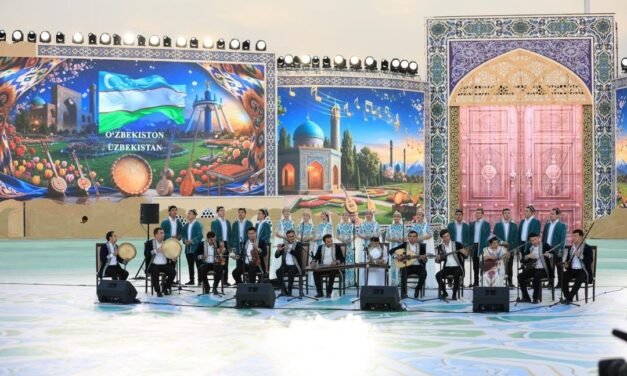
Namangan to Host III International Maqam Art Forum Under UNESCO and ISESCO Auspices
NAMANGAN, Uzbekistan, June 22: The city of Namangan is set to become a global hub of traditional...
Read MoreNAMANGAN, Uzbekistan, June 22: The city of Namangan is set to become a global hub of traditional...
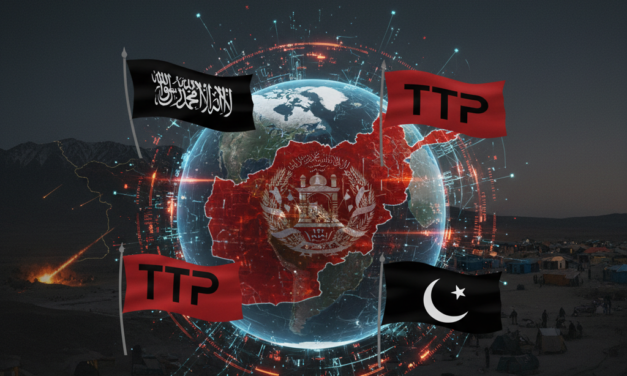
Read MoreThis research examines the escalating security crisis and fragile diplomatic relations between Pakistan and the Afghan Taliban-led administration from 2021 to 2025. It focuses on the critical roles of militant groups—the Tehrik-i-Taliban Pakistan (TTP) and ISIS-Khorasan (ISIS-K)—whose operations and ideological networks exacerbate cross-border terrorism and regional instability. The Afghan Taliban’s complex stance toward the TTP, balancing suppression fears with threats from ISIS-K, complicates efforts to curb violence. Pakistan’s response has shifted from initial diplomatic engagement to robust military action, including cross-border airstrikes and a strategic realignment toward multilateral security cooperation. The paper also highlights the severe humanitarian impact manifested in refugee crises and border militarization. Recent ceasefire negotiations, mediated by regional powers, provide cautious optimism amid enduring distrust and unresolved tensions. This analysis consolidates findings from international security reports, media sources, and academic research to offer a comprehensive update on the Pakistan-Afghanistan conflict dynamics.
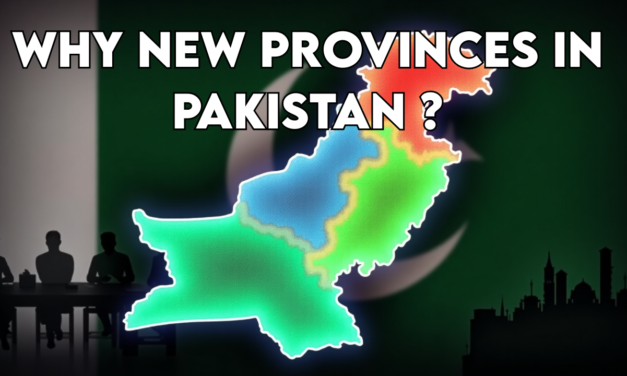
Read MoreKhyber Pakhtunkhwa may soon be divided into three new provinces — Malakand, Dera Ismail Khan, and Peshawar — according to future proposals aimed at improving governance and administration. This division could reshape the political and administrative structure of Pakistan. In this video, we explain the details of the proposed provinces, their regions, and the possible impact on the people of Khyber Pakhtunkhwa.
Stay tuned for updates on Pakistan’s new provinces, political reforms, and administrative changes. Don’t forget to like, share, and subscribe for more informative content on national issues.
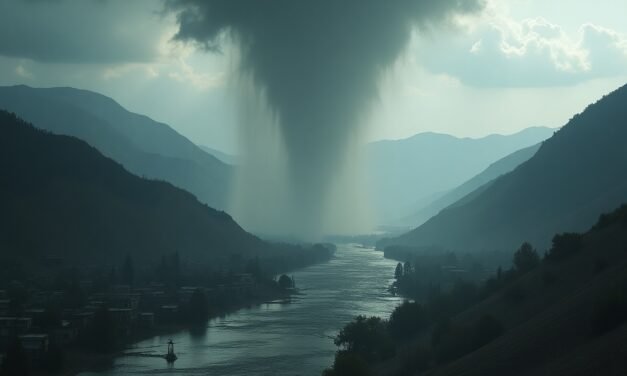
Read MoreNorthern Pakistan is facing unprecedented devastation from cloudbursts and flash floods exacerbated by climate change, global warming, and deforestation. These intense, localized rainfall events are occurring more frequently due to rising temperatures that increase atmospheric moisture and destabilize monsoon patterns. The combination of steep mountainous terrain and environmental degradation has left regions like Buner, Swat, Bajaur, and Gilgit Baltistan highly vulnerable. To reduce future risks, urgent implementation of early warning systems, reforestation, resilient infrastructure, and community preparedness is essential. This crisis underscores the urgent need for integrated climate adaptation and sustainable land management in flood-prone areas.
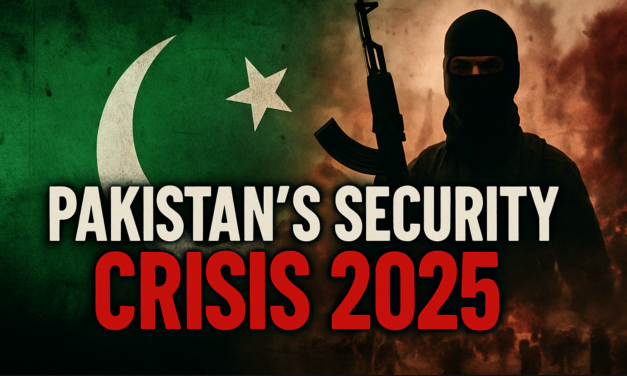
Read MoreIn 2025, Pakistan faces mounting security challenges amid rising militancy and deepening political instability. This video dives into the expanding influence of militant groups like the TTP, the impact of ongoing political turmoil, and how sectarian violence and tribal conflicts are shaping the nation’s security landscape. We explore government and military efforts to combat these threats and the broader regional dynamics affecting Pakistan’s future. If you want to understand how these complex issues are affecting everyday Pakistanis and the country’s stability, this video provides a comprehensive and insightful overview.
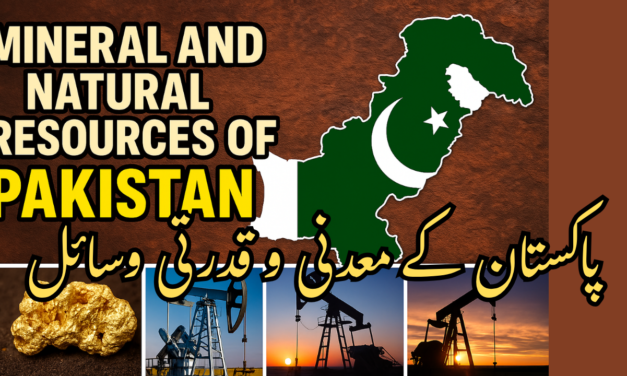
Read More“Mineral resources of Pakistan, Pakistan natural resources, valuable mineral deposits Pakistan, Reko Diq copper gold, Thar coalfield, Khewra salt mine, Pakistan mineral economy, Pakistan mining industry, Pakistan economic growth minerals, Pakistan gemstone deposits, Pakistan coal reserves, copper gold global rankings, Pakistan mineral wealth potential, investment in Pakistan minerals, Pakistan energy resources, Pakistan industrialization minerals”
Read MoreBy Fazal Khaliq The Cambridge Five refers to a group of British spies who secretly worked as...
Read MoreExcerpt:
The hypothetical U.S.-Israeli strike on Iran’s nuclear facilities, while potentially delaying Tehran’s nuclear ambitions, risks triggering severe regional escalation and fracturing the international order. Global reactions are expected to divide the UN Security Council, mobilize Iran’s regional proxies, and alienate European allies invested in diplomacy. The strategic importance of the Strait of Hormuz means energy markets could face disruption akin to the 1973 oil crisis, benefiting adversaries like Russia. Contrary to hopes for regime change, the Iranian regime’s economic control and nationalist sentiment likely will strengthen its domestic position. Furthermore, the attack could accelerate nuclear proliferation in the Middle East, with Saudi Arabia and Turkey openly considering their own programs. Finally, Iran’s cyber capabilities pose unpredictable threats to critical infrastructure worldwide, underscoring the complex consequences of preemptive military action.
Japanese monk Ven. Jiun Sugitani revealed that ancient Pakistan’s Gandhara region significantly influenced Japan’s pacifist constitution. He traced Gandharan Buddhist principles → Prince Shotoku’s 7th-century constitution → Japan’s modern Article 9 renouncing war, calling Gandhara’s peace philosophy foundational to Japan’s identity.
Read MoreSwat, once known as the “Switzerland of Pakistan,” is facing an environmental crisis due to a surge in tourism. While the region has attracted a record number of visitors, the influx has led to widespread pollution and waste at popular sites like Mahodand Lake, Ushu Forest, and Taip Banda. Environmental activists are urging both tourists and the district administration to adopt responsible practices and enforce eco-tourism measures to prevent further degradation. Without immediate action, Swat risks losing its natural beauty to neglect and overexploitation.
Read MoreThe May 2024 Indo-Pak conflict reignited tensions between the nuclear-armed neighbors, with cross-border clashes raising fears of regional escalation. The brief but intense confrontation drew global attention, highlighting the fragile security dynamics in South Asia. Analysts warn of deepening geopolitical instability, as major powers—including the U.S., China, and Russia—monitor the crisis. The conflict underscores the urgent need for diplomatic engagement to prevent further deterioration in one of the world’s most volatile regions.
Read MoreThomas Hobbes once said, “My mother gave birth to twins: myself and fear,” reflecting the constant state of insecurity and uncertainty in his time. Much like Hobbes’ era, modern-day Pakistan faces political instability, rising crime, and a lack of justice. Fundamental rights are unmet, and the education system is in dire straits, with millions of children out of school. To break free from this Hobbesian state, political stability and investment in quality education are essential. The state must respect the constitution, uphold the rule of law, and ensure that all citizens, regardless of background, have access to education and opportunity. Only then can Pakistan hope to move towards a brighter, more secure future.
Read More
| M | T | W | T | F | S | S |
|---|---|---|---|---|---|---|
| 1 | 2 | 3 | 4 | 5 | ||
| 6 | 7 | 8 | 9 | 10 | 11 | 12 |
| 13 | 14 | 15 | 16 | 17 | 18 | 19 |
| 20 | 21 | 22 | 23 | 24 | 25 | 26 |
| 27 | 28 | 29 | 30 | 31 | ||